How Can a Small Contractor Get More Local Jobs Without Paying for Leads?
Small contractors often feel trapped between referrals that are unpredictable and lead services that charge for every opportunity. There is another path: build a digital presence you control so local homeowners can find, trust and contact your business directly. That takes more work than simply purchasing a lead, but the website, content, reviews and local visibility you build can continue creating opportunities long after the initial work is done.
Quick Answer
Small contractors can get more local jobs without continually paying for individual leads by building a professional website around profitable services, improving Google Business Profile visibility, earning authentic reviews, creating useful local service and city content, and making it easy for homeowners to call or request an estimate. The goal is to build an owned marketing system that works 24/7 instead of renting every new opportunity.
Table of Contents
- Stop Treating Every New Customer Like Something You Have to Buy
- Start With the Jobs You Actually Want More Of
- Your Website Should Sell While You Are on the Job
- Improve Your Google Business Profile
- Build Local Visibility Around Real Service Areas
- Use Reviews as Sales Proof
- Turn Completed Jobs Into Marketing Assets
- Answer the Questions Customers Ask Before Calling
- Make It Ridiculously Easy to Contact You
- Track Which Work Produces Revenue
- Build a System You Own
Stop Treating Every New Customer Like Something You Have to Buy
Paid lead platforms and advertising can have a place in a contractor marketing plan, but a small contractor becomes vulnerable when every new opportunity disappears the moment the spending stops.
An owner-operated landscaping company, painter, handyman, remodeler, concrete contractor or fence installer should also build marketing assets it controls.
Your website, service pages, project photos, reviews, Google Business Profile and local content can continue helping homeowners discover your business after the work is published.
That is the difference between continually renting attention and building an asset.
Start With the Jobs You Actually Want More Of
Do not market every service equally just because you can perform it.
Identify the work that is profitable, repeatable and a good fit for your business. A landscaper may want more retaining walls and landscape installations instead of one-time mowing calls. A painter may prefer full interior or exterior projects. A handyman may want larger repair lists instead of tiny single-item jobs.
Build the website around those priorities.
Important services should have dedicated pages that explain:
- What the service includes
- The types of projects you handle
- Who the service is right for
- Common customer questions
- Your process
- Photos of relevant work
- The areas you serve
- How to request an estimate
A homeowner should never have to guess whether you do the job they need.
Your Website Should Sell While You Are on the Job
Most small contractors cannot answer every call while working. That makes the website part of the sales team.
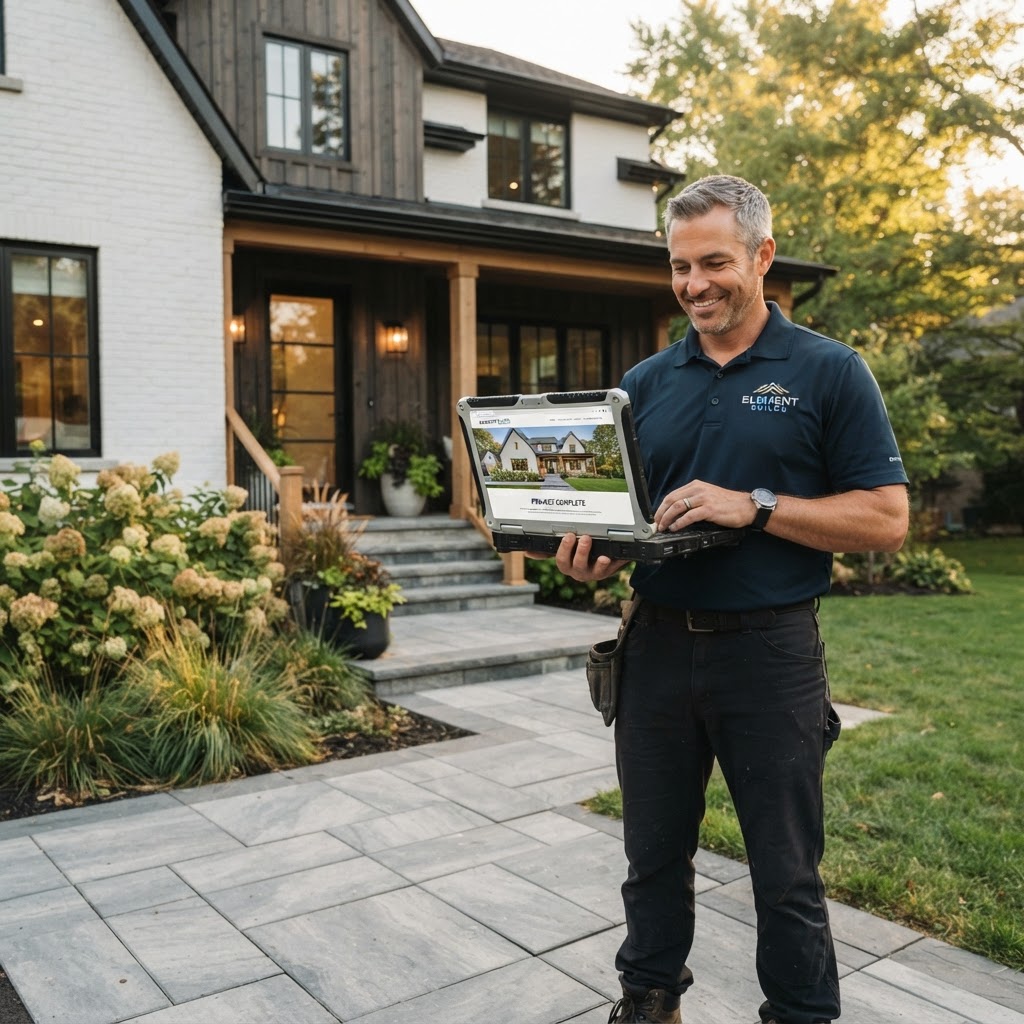
While you are installing a fence, painting a home or repairing a deck, a potential customer may be researching your company. Your website should explain your services, show your work, answer questions, build confidence and collect the lead.
That is why Contractor Optimize positions a contractor website as more than a digital brochure. It should function as a 24/7 sales assistant.
Improve Your Google Business Profile
For local contractors, Google Maps can be one of the most valuable discovery channels.
Keep the business name, phone number, website, hours, categories and services accurate. Add real project photos regularly. Ask satisfied customers for honest reviews. Make sure your website supports the same services and service areas represented on your profile.
Your Google Business Profile can earn attention. Your website then needs to turn that attention into trust and an estimate request.
Build Local Visibility Around Real Service Areas
If you want more jobs in a particular city, do more than add the city name to a list in the footer.
Create useful content around the services you actually provide there. Mention real local conditions or customer needs when they are relevant. A landscaping company in the Pacific Northwest can discuss drainage, slopes, moss or wet-season planning. A painter in Arizona may address sun exposure and exterior coating durability.
The goal is genuine local relevance, not producing dozens of nearly identical city pages.
Use Reviews as Sales Proof
A homeowner considering a small contractor may be wondering whether the business is reliable, professional and capable of handling the project.
Reviews help answer those questions before the first conversation.
Ask real customers to describe their experience in their own words. Reviews that naturally mention the service performed, communication, cleanliness, scheduling or completed result can help future customers understand what working with you is like.
Then feature relevant reviews on important website pages instead of hiding them on a single testimonial page.
Turn Completed Jobs Into Marketing Assets
Every good project can help sell another project.
Take before and after photos. Write down the type of work performed. Document the general area. Explain the challenge and the result. Add the project to the relevant service page or create a short project feature.
Small contractors often have an advantage here because the owner is close to the work and can capture details a large marketing department would never know.
Answer the Questions Customers Ask Before Calling
Useful content can attract homeowners before they are ready to request an estimate.
Examples include:
- How much does this type of project usually cost?
- How long does it take?
- What materials are best?
- When should a homeowner repair instead of replace?
- What should someone ask before hiring a contractor?
- What causes this common problem?
Articles that answer real questions can support Google visibility, strengthen service pages and give AI-powered search systems more information about your expertise.
Make It Ridiculously Easy to Contact You
Do not lose a qualified customer because the website makes them work.
Use a clear phone number, tap-to-call buttons, short estimate forms and obvious calls to action. On mobile, the next step should always be easy to find.
A contractor does not need fifty weak leads. A small contractor may only need a steady flow of the right projects.
Track Which Work Produces Revenue
Once leads begin coming through your own website and Google presence, track the source and service.
Ask every prospect how they found you. Watch which pages generate calls and forms. Notice which cities produce the best jobs. Use that information to decide what content and services deserve more attention.
The goal is not traffic for traffic's sake. The goal is profitable local work.
Build a System You Own
A sustainable small-contractor marketing system can include:
- A professional mobile-friendly website
- Dedicated pages for profitable services
- Strong local service-area content
- Google Business Profile optimization
- Authentic reviews
- Real project photography
- Helpful educational articles
- AI-ready direct answers and business information
- Clear calls to action
- Ongoing measurement and improvement
You can still use paid advertising or lead services when they make financial sense. The difference is that they become one channel instead of the entire business development strategy.
Contractor Optimize builds contractor websites and ongoing marketing systems designed to help small contractors become easier to find, easier to trust and easier to hire.
Local Expertise
Contractor Optimize focuses on owner-operated and small contractor businesses, organizing websites and marketing around profitable services, realistic service areas, direct estimate generation and visibility across Google and AI-powered search.
Why It Matters
The Contractor Optimize approach is built around contractor-specific buying behavior: homeowners compare services, local relevance, reviews, project proof and ease of contact before requesting an estimate. The strategy prioritizes qualified jobs rather than vanity traffic.
Frequently Asked Questions
Small contractors do not have to choose between waiting for referrals and buying every lead. Build a website and local marketing system that compounds over time. The more useful service content, reviews, project proof and local authority you own, the less dependent your business becomes on someone else's lead marketplace.
Get a Free Contractor Website & Growth Audit
Get Started