
How Should HVAC Contractors Market Maintenance Agreements Without Sounding Like a Sales Pitch?
Maintenance agreements can become one of the most useful customer retention tools in an HVAC business, but only when homeowners understand what they are buying. A weak membership page talks about vague savings and priority service. A strong one explains what is included, when visits happen, what the technician checks, how renewal works, and who the plan is best for.
Quick Answer
HVAC contractors should market maintenance agreements as a clear ongoing service relationship, not as a discount club. The best approach is to explain included visits, inspection scope, scheduling expectations, renewal terms, member benefits, and the difference between maintenance and repair. Then connect the plan to service calls, installation follow up, seasonal reminders, and the company website so one time customers have a practical reason to stay with the contractor.
Table of Contents
- Start With the Customer Problem, Not the Membership Name
- Build a Maintenance Plan Page Around Real Questions
- Use the Website to Create the Next Logical Step After a Service Call
- Turn Existing Customers Into the First Audience
- Do Not Oversell Preventive Maintenance
- Make the Plan Easy for AI Search to Understand
- Build Trust With Evidence From the Work
- Connect Maintenance Marketing to Shoulder Season Capacity
- Give Small HVAC Companies a Simple Version First
- Build the Page Around Retention, Not Discounts
Start With the Customer Problem, Not the Membership Name
Homeowners rarely wake up wanting an HVAC maintenance agreement. They want fewer surprises, a system that works when the weather changes, and a contractor they can call without starting a new search every time.
That changes how the page should be written.
Instead of leading with a branded club name, start with the reason the plan exists. Explain that scheduled maintenance gives the homeowner a defined process for regular system checks and gives the contractor a structured way to stay connected after the first repair or installation.
For an owner operated HVAC company, that relationship matters. The first service call may be a capacitor, thermostat, drain issue, airflow complaint, or no cooling call. If the customer has no reason to remember the company afterward, the next problem can send that same homeowner back to Google.
A maintenance plan creates a legitimate reason to maintain the relationship.
Build a Maintenance Plan Page Around Real Questions
A homeowner evaluating a plan usually wants simple answers.
How many visits are included?
State whether the plan includes one visit, two seasonal visits, or another schedule. Do not hide the cadence behind language such as routine service.
What happens during each visit?
Describe the actual categories of work your company performs. That may include visual inspection, thermostat review, filter discussion, condensate checks, electrical component inspection, temperature measurements, airflow observations, or other procedures appropriate to the equipment and your service standards.
Do not copy a generic checklist if your technicians do not actually perform it.
Are repairs included?
Make a clear distinction between maintenance and repair. Customers should understand whether parts, labor, diagnostic fees, or repair discounts are included, excluded, or handled under separate terms.
Does the plan renew automatically?
Explain renewal timing and cancellation terms plainly. Recurring service works best when trust is stronger after the customer reads the page, not when important terms are buried.
What equipment is covered?
A homeowner with a heat pump, gas furnace, central air conditioner, ductless system, or multiple systems may need different service. Explain how your company handles that before the customer submits a form.
Use the Website to Create the Next Logical Step After a Service Call
The maintenance page should not live by itself.
Link to it naturally from repair pages, installation pages, thank you pages, seasonal content, and relevant FAQs. A homeowner who just paid for a repair is already thinking about system reliability. That is a much more relevant moment to introduce ongoing maintenance than a random promotional popup.
For example, an air conditioning repair page can include a short section explaining how scheduled maintenance works after the immediate repair is complete. A replacement page can explain what happens after the first year of ownership. A seasonal heating article can point readers toward the maintenance program before cold weather demand peaks.
This creates useful internal linking while keeping each page focused on its own search intent.
Turn Existing Customers Into the First Audience
Many HVAC companies think about maintenance agreement marketing as new customer acquisition. Existing customers are often the more natural starting point.
A contractor already has context after a completed repair or installation. The company knows what equipment is present, what work was performed, and when a future maintenance conversation may make sense.
Useful follow up points can include:
- A post service email that explains the maintenance program without pressure.
- A reminder before the next cooling or heating season.
- A technician conversation after the repair is finished.
- An installation follow up that explains future maintenance expectations.
- A renewal message before the current agreement expires.
The message should be educational. Tell the customer what the next visit is for and what to expect.
Do Not Oversell Preventive Maintenance
HVAC marketing loses credibility when a maintenance page promises that a plan will prevent every breakdown, eliminate repairs, or guarantee energy savings.
Maintenance can support system care and create opportunities to identify issues, but equipment can still fail. Older systems can still need repairs. Utility costs can change for reasons unrelated to maintenance.
Trust focused language is stronger:
- Explain what the technician will inspect.
- Explain what the homeowner receives after the visit.
- Explain how recommended repairs are handled.
- Explain what is and is not covered.
- Avoid guarantees you cannot control.
The result is a page that is useful for customers and easier for search engines and AI systems to interpret accurately.
Make the Plan Easy for AI Search to Understand
AI search systems work better with concrete facts than marketing slogans.
A maintenance agreement page should clearly identify the business entity, service type, equipment served, geographic service area, visit cadence, customer eligibility, and contact path.
Use straightforward questions and direct answers such as:
What is included in an HVAC maintenance agreement?
Answer with your actual visit structure and scope.
How often is HVAC maintenance scheduled?
Answer according to the plan your company offers.
Is HVAC repair included in a maintenance plan?
Explain your policy directly.
Can a homeowner join after a repair?
State the company rule instead of leaving the customer to guess.
This kind of content supports traditional SEO, answer engines, Google AI experiences, and LLM based search because the page gives machines a clean explanation of what the company actually provides.
Build Trust With Evidence From the Work
Membership marketing should not be only text.
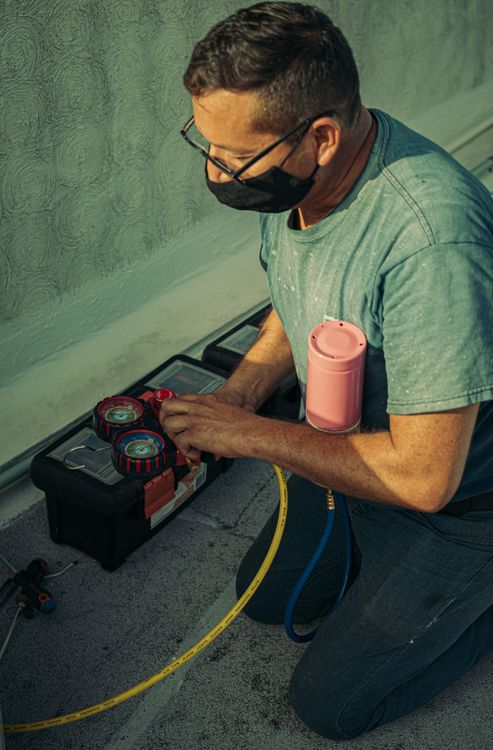
Use real photos of technicians performing maintenance, equipment inspection, filter review, condenser service, thermostat checks, and other legitimate work. Add captions that explain what is happening rather than posting anonymous equipment photos with no context.
Customer reviews can also support the page when they specifically mention ongoing service, reliable scheduling, technician communication, or long term relationships. Do not manufacture review themes. Use what customers actually said.
Connect Maintenance Marketing to Shoulder Season Capacity
Maintenance programs are operational as well as promotional.
When a company has a base of customers who expect scheduled service, it has more opportunities to fill the calendar outside emergency weather spikes. That can make marketing more predictable than relying only on no heat and no cooling calls.
The page should not promise a specific financial result. Instead, the contractor can use its own data to track:
- Plan signups by source.
- Renewal rate.
- Maintenance appointments completed.
- Repair opportunities discovered during scheduled visits.
- Customer retention over time.
- Calls generated from reminder campaigns.
Those numbers tell the owner whether the program is strengthening the business.
Give Small HVAC Companies a Simple Version First
A one truck or two truck contractor does not need a complicated three tier membership system on day one.
A simple plan can be easier to operate and easier to explain. Define the visit schedule, the work performed, the customer benefit, the price structure, and the renewal process. Make sure the office or owner can consistently deliver what the page promises.
As the customer base grows, the contractor can add options only when there is a real operational reason.
Complexity is not authority. Clarity is.
Build the Page Around Retention, Not Discounts
Discounts may be part of a maintenance program, but they should not be the entire value proposition.
The deeper value is continuity. The homeowner knows who to call. The contractor stays connected to the system. Seasonal service has a defined process. The next interaction does not begin with the homeowner searching from scratch.
That is the strongest marketing position for a maintenance agreement because it reflects how a good service relationship actually works.
Local Expertise
National authority article designed for HVAC contractors across the United States. Regional differences in equipment mix, climate, licensing, and service expectations should be reflected by each contractor rather than replaced with generic city swapping.
Why It Matters
Contractor Optimize recommends documenting the actual maintenance process before writing the marketing page. The content should match what technicians deliver in the field, what the office schedules, and what customers are charged. This creates stronger trust signals and more defensible search content.
Frequently Asked Questions
The best HVAC maintenance agreement marketing does not pressure homeowners into joining a club. It gives them a clear reason to continue a service relationship with a contractor they already know. Explain the plan, connect it to real service moments, document the work, and make renewal expectations easy to understand.
Get a Free Contractor Marketing Audit
Get Started