
How Should Insulation Contractors Turn Home Comfort Problems Into Better Website Leads?
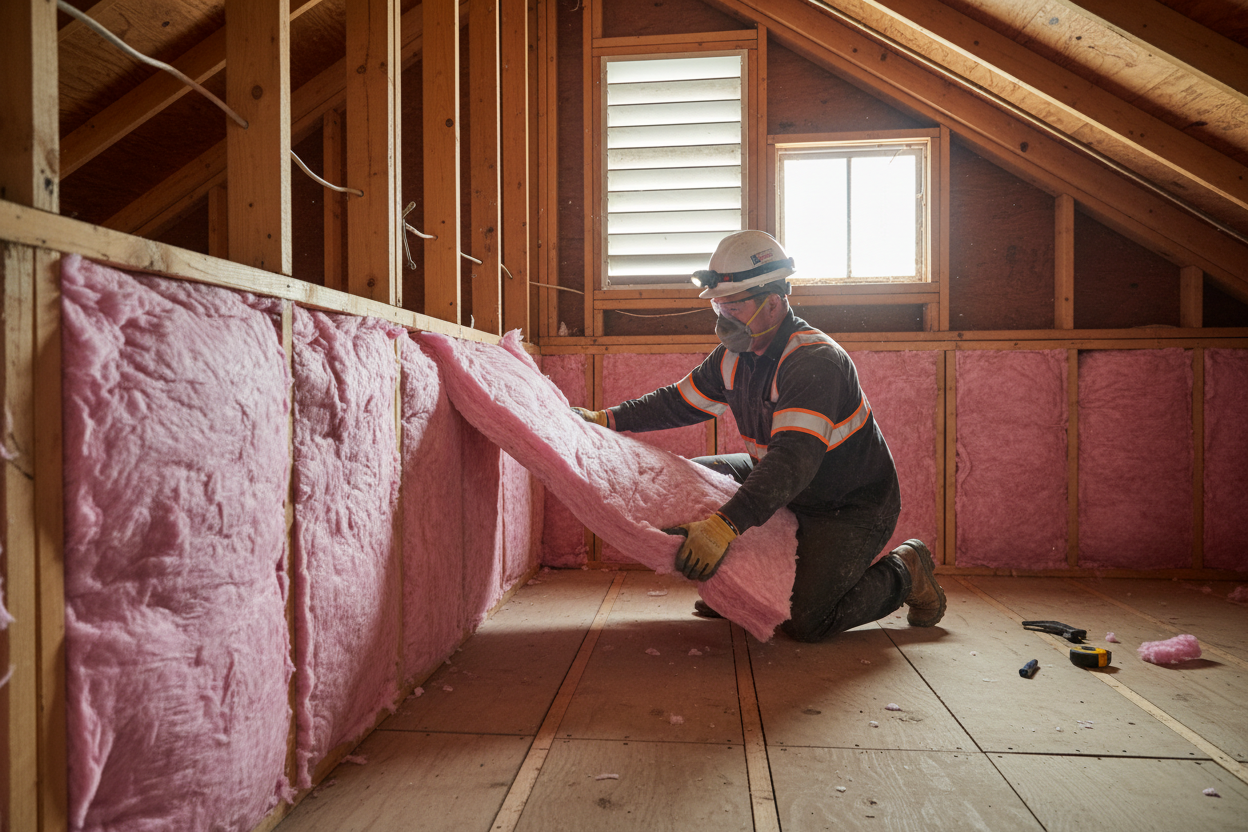
Homeowners rarely begin by knowing the exact insulation product they need. They notice a hot upstairs, cold rooms, drafts, an uncomfortable addition, high energy use, or an attic that looks under insulated. A strong insulation contractor website should help that homeowner move from symptom to likely next step without pretending to diagnose the house online.
Quick Answer
Insulation contractors can generate better website leads by organizing content around both homeowner problems and actual services. Explain what different symptoms can indicate, show how an inspection determines the right scope, separate attic, wall, crawlspace, air sealing and removal services, and ask for property details before scheduling an estimate. The goal is not to prescribe insulation from a webpage. It is to help the homeowner understand why an evaluation is useful and what information the contractor needs next.
Table of Contents
- Start With the Problem the Homeowner Actually Notices
- Give Each Real Insulation Service a Clear Job
- Build the Estimate Form Around Inspection Quality
- Use Photos to Explain Process, Not Just Finished Attics
- Make Regional Differences Clear Without Building Thin State Pages
- Connect Website Design to Search and Conversion
- Frequently Asked Questions
Start With the Problem the Homeowner Actually Notices
A homeowner may search for an insulation contractor after noticing a bedroom that never stays comfortable, drafts around the upper floor, an attic with visibly low insulation, or large temperature differences between rooms. Those searches are different from a homeowner already comparing blown in fiberglass with cellulose or spray foam.
A useful website serves both people. Problem focused sections can explain common reasons an insulation evaluation may be appropriate, while service pages explain the work the company actually performs.
Do not turn symptoms into remote diagnoses
Statements such as “a hot second floor means you need more insulation” are too absolute. Similar comfort problems can involve air leakage, ductwork, ventilation, moisture, windows, equipment, or several conditions at once. Better content explains what the contractor checks and how findings shape the recommendation.
Give Each Real Insulation Service a Clear Job
A single page listing every product makes it difficult for homeowners and search systems to understand the company’s capabilities. Build useful sections or pages for services the business genuinely performs, such as attic insulation, wall insulation, crawlspace insulation, air sealing, insulation removal, blown in products, batts, or spray foam.
For each service, answer practical questions:
What problem is this service intended to address?
Explain the situations in which the service is commonly evaluated rather than promising a specific outcome.
What affects the project scope?
Attic access, existing material, square footage, obstructions, moisture concerns, desired assembly and local requirements can all change the work involved.
What happens before an estimate becomes a proposal?
Tell the homeowner whether the company measures existing insulation, checks access, documents conditions, discusses air sealing, or needs photos before visiting.
Build the Estimate Form Around Inspection Quality
An insulation lead form should collect enough information to prepare for the conversation without becoming a technical questionnaire the homeowner cannot answer.
Useful fields can include property ZIP code, approximate home age, area of concern, attic or crawlspace access if known, existing insulation if known, comfort symptoms, whether removal may be needed, project timing, and an optional photo upload.
This is a better conversion path than asking only for name, phone and email because the contractor receives context before committing travel and estimating time.
Use Photos to Explain Process, Not Just Finished Attics
Insulation is difficult for homeowners to evaluate visually. Project photography can make the service more understandable when captions explain what is happening.
Show technicians measuring existing material, preparing an attic, installing batts, blowing material, air sealing penetrations, protecting the home, or documenting the completed depth when those activities reflect the company’s real process.
A gallery of anonymous pink attics adds less trust than a documented project story that explains the initial condition, evaluation, selected scope and completed work.
Make Regional Differences Clear Without Building Thin State Pages
Insulation needs and code requirements vary by climate, building assembly and jurisdiction. A national marketing strategy should not publish the same “best insulation” article for dozens of cities with only the place name changed.
Instead, local insulation companies can create genuinely useful regional content around housing stock, climate conditions, utility programs, common assemblies, local permitting questions, or verified rebate resources when those topics apply to their market.
Connect Website Design to Search and Conversion
A search friendly insulation website needs more than keywords. Clear service architecture helps Google understand the business, gives AI answer systems more precise information to extract, and gives homeowners a path from a broad problem to an appropriate service and estimate request.
That means descriptive headings, direct answers, real project evidence, useful internal links and consistent business information should work together with the visual design.
Frequently Asked Questions
Should an insulation contractor publish prices online?
Price guidance can be useful when the contractor can explain the variables that change scope. Avoid presenting one universal number as though every attic, crawlspace or wall assembly is identical.
Should every insulation material have its own page?
Only when the company actually offers it and can provide enough useful information to justify a distinct page. Thin product pages created only to target keywords can make the site harder to use.
Should insulation contractors talk about rebates?
Yes, when the information comes from a current official program and the page clearly explains eligibility can change. Link homeowners to the authoritative program rather than guaranteeing an incentive.
What is the best CTA for an insulation website?
An inspection or estimate request is usually stronger than a vague contact button because it tells the homeowner what happens next.
Why It Matters
Strong insulation marketing demonstrates how the contractor evaluates a building before recommending work. Real inspection processes, project documentation, service boundaries and current local requirements are more credible than generic energy savings claims.
Frequently Asked Questions
The best insulation website does not force every visitor into a product page. It helps homeowners understand their problem, explains the contractor’s real services, sets expectations for an inspection and collects the information needed for a useful estimate conversation.
Get Your Free Contractor Marketing Audit
Get Started