How Should Masonry Contractors Turn Craftsmanship Into Better Estimate Requests Online?
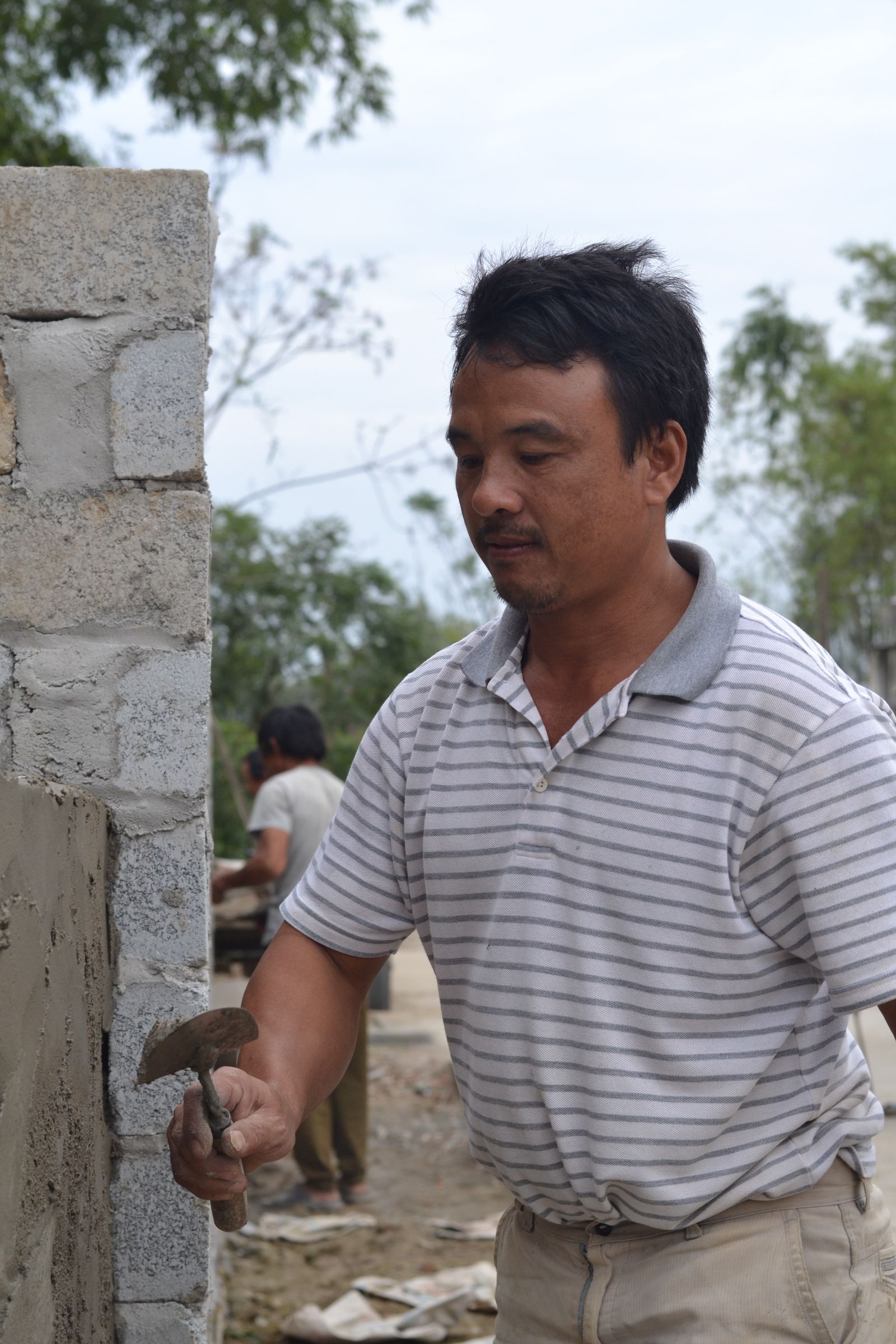
Masonry is visual, specialized work, but many masonry websites hide that expertise behind a generic list of services. The better approach is to connect specific masonry services with real project proof, useful explanations, local relevance, and a clear estimate path so customers can understand what the contractor actually does.
Quick Answer
Masonry contractors can generate better estimate requests by separating distinct services such as brick repair, stonework, block work, restoration, and outdoor masonry when appropriate, then supporting those pages with real project photos, problem-focused FAQs, service-area context, and clear calls to request an estimate.
Table of Contents
- Start With the Masonry Work You Actually Want More Of
- Show the Work Beside the Service
- Explain Repair Versus New Installation Clearly
- Use FAQs to Answer Questions That Delay the Call
- Build Local Relevance From Real Conditions
- Make Every Educational Page Lead Somewhere Useful
- Qualify the Estimate Without Making the Form a Chore
- Use Project Case Studies for Work That Deserves More Context
Start With the Masonry Work You Actually Want More Of
A masonry company may be capable of many types of work, but the website should prioritize the services that fit the business, crew, equipment, margins, and target customer.
Instead of one page that says brick, block, and stone, build clear pathways around meaningful service groups. Depending on the contractor, those may include brick repair, stone veneer, retaining walls, chimneys, tuckpointing or repointing, block construction, patios, steps, restoration, or other legitimate specialties.
Not every variation needs its own page. A dedicated page should exist because the service has distinct customer intent and enough expertise to answer real questions, not simply because a keyword exists.
Show the Work Beside the Service
Masonry customers often need visual reassurance. They want to see joint quality, material matching, finished edges, transitions, repair work, and the overall appearance of completed projects.
Do not bury every image in one gallery. Place relevant project photos directly on the corresponding service pages. A brick-repair page should show brick repair. A stonework page should show stonework. When possible, add concise project context explaining the problem, scope, material, and result without inventing details.
This turns photography into evidence instead of decoration.
Explain Repair Versus New Installation Clearly
Someone with deteriorating mortar has a different problem from someone planning a new outdoor fireplace or stone feature. The website should make that distinction obvious.
Repair-oriented content can explain symptoms customers may notice, the types of work the company evaluates, and when an on-site assessment is needed. New-project content can focus on materials, design considerations, site conditions, process, and how estimates are developed.
Clear segmentation helps customers reach the right service page before they contact the company.
Use FAQs to Answer Questions That Delay the Call
Masonry projects can create uncertainty about matching existing materials, weather, curing, access, demolition, structural concerns, and project timing. A useful FAQ section can address the questions the contractor hears repeatedly.
Avoid giving absolute answers where site conditions matter. The goal is to educate the homeowner enough to understand why an estimate or inspection is the next step.
Build Local Relevance From Real Conditions
Masonry is affected by climate, moisture, freeze-thaw cycles, soil conditions, construction styles, and the age of local housing stock. Where those factors genuinely affect the contractor's work, they can make local content more useful.
A location page should explain what the company serves and why its services matter there. It should not be a copied service page with a different city inserted into the heading.
Make Every Educational Page Lead Somewhere Useful
Blog content about cracked mortar, brick deterioration, retaining walls, or stone choices should link into the corresponding core service page. The service page should then provide a clear route to contact or request an estimate.
A practical internal-link pattern is:
- Educational article to the relevant masonry service page.
- Service page to project proof and applicable service-area information.
- Service and project content to the estimate or contact path.
This helps both the customer and search systems understand how the website's information is connected.
Qualify the Estimate Without Making the Form a Chore
A masonry estimate form can ask for the customer's contact information, project location, service type, and a short project description. If the website supports photo uploads, they may help the contractor understand the inquiry before following up.
Do not turn the form into a 20-question application. The objective is to collect enough information to route the lead while keeping the process easy for a homeowner.
Use Project Case Studies for Work That Deserves More Context
Some projects are strong enough to become individual case studies. A useful case study can explain the customer's problem, the type of masonry involved, project constraints, the solution, and the finished result using factual information from the actual job.
Case studies can support service expertise, local relevance, internal linking, and sales conversations at the same time. They are especially valuable when the project demonstrates a specialty the contractor wants more of.
Why It Matters
Masonry marketing should demonstrate actual craftsmanship rather than make unsupported claims. Real project documentation, accurate service descriptions, clear local coverage, customer reviews, and useful explanations provide stronger trust signals than generic statements about being the best contractor in town.
Frequently Asked Questions
A masonry website should make specialized craftsmanship easy to understand. When service pages, project photography, local context, FAQs, internal links, and estimate paths work together, the website can educate homeowners and capture better-qualified opportunities while the contractor stays focused on the jobsite.
Find out how your masonry business is showing up online and where your website can do a better job promoting the services you want more of. Get a free Contractor Optimize audit.
Get Started