
What Should Painting Contractors Show Online Before Booking an Exterior Paint Estimate?
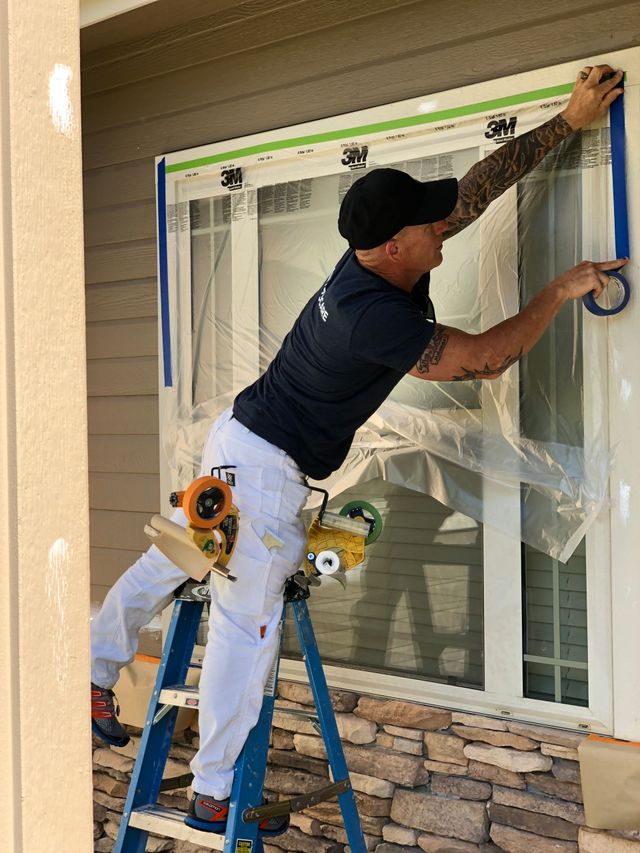
Exterior painting leads get easier to qualify when the website explains what actually changes the scope of a repaint before the homeowner asks for an estimate. A useful painting website should show preparation standards, the surfaces the company paints, real project photos, what condition details matter, and a short estimate form that lets the homeowner describe the house. That gives a painter more context without turning the website into an unreliable instant-pricing calculator.
Quick Answer
Show homeowners how you prepare a house, what surfaces and project types you handle, examples of completed work, and what information you need to evaluate an exterior repaint. Ask for the property location, approximate scope, siding or surface type, visible peeling or damage, number of stories, photos when practical, and desired timing. The goal is not to quote from a form. It is to make the first conversation more useful.
Table of Contents
- Exterior painting customers are evaluating more than color
- Build the estimate page around the painter's real estimating process
- Use project photos to prove preparation, not just the finished color
- Explain preparation in plain language
- Separate exterior painting from adjacent services
- Give homeowners enough pricing context without inventing a universal price
- Turn the thank-you page into part of the sales process
- Build internal links around the customer's next question
- The practical takeaway
Exterior painting customers are evaluating more than color
A homeowner searching for an exterior painter may know the house needs paint but may not understand why two apparently similar houses can require very different preparation. That knowledge gap is an opportunity for a painting contractor website.
Instead of leading with a generic promise about quality, explain the work that happens before the finish coat. Scraping, sanding, caulking, priming, masking, cleaning, minor surface repair and protecting adjacent areas can all be relevant depending on the project. Painting companies commonly emphasize preparation because it helps homeowners understand what a professional scope may include.
This is useful marketing because it answers a real buying question: what am I actually getting when I request an exterior painting estimate?
Build the estimate page around the painter's real estimating process
A strong estimate page should collect enough information to help the contractor prepare for the conversation without pretending that a web form can diagnose every surface.
Ask what is being painted
Useful choices might include the full exterior, siding, trim, doors, shutters, porch elements, detached structures, or another clearly described scope. Only list work the company genuinely offers.
Ask about the existing surface
Wood, fiber cement, stucco, masonry and other surfaces can involve different preparation. The form does not need to teach coating chemistry. It should simply give the estimator useful context.
Ask about visible condition
A homeowner can often identify peeling paint, exposed wood, cracking, staining, failed caulk, mildew-like discoloration or areas they believe need repair. Avoid diagnosing from a checkbox. Invite photos and make clear that final recommendations depend on an inspection.
Ask about access and height
Stories, steep grades, tight side yards, landscaping and other access conditions can matter to planning. A simple question can save a surprising amount of back-and-forth.
Use project photos to prove preparation, not just the finished color
Finished-house photography is valuable, but painters can build more trust by documenting the process.
A useful exterior project case study might show the house before work, a close view of deteriorated coating, masking and protection, preparation in progress, primed repairs, and the finished exterior. Add a short explanation of the original condition and the scope performed.
That creates stronger evidence than a gallery of attractive homes with no context. It also gives search engines and AI systems clearer information about the company's actual services and expertise.
Explain preparation in plain language
Homeowners do not need a wall of trade jargon. They do need to know that preparation depends on the condition of the home.
For example, a service page can explain that an exterior repaint may involve cleaning, scraping loose coating, sanding appropriate areas, caulking selected joints, spot priming exposed substrates, masking windows and protecting landscaping before paint application. The exact process should reflect the contractor's own standards.
This kind of specificity differentiates a real painting company from a thin lead-generation page.
Separate exterior painting from adjacent services
If a painter also offers cabinet refinishing, interior painting, deck staining, drywall repair or pressure washing, those services deserve their own clear paths when they represent distinct customer intent.
Do not force every service into one giant painting page. A homeowner researching cabinet refinishing has different questions from someone comparing full exterior repaints.
A clean site architecture can include an exterior painting page, interior painting page, specialized service pages where justified, project case studies, service-area information, and a central estimate page.
Give homeowners enough pricing context without inventing a universal price
Exterior painting costs vary with scope, size, height, surface condition, preparation, materials, access and other job-specific factors. If a contractor publishes pricing, explain exactly what the numbers represent and keep them current.
If reliable ranges are not available, explain the variables that affect an estimate instead of publishing a made-up starting price. That is more useful than a vague statement that every project is different because it teaches the homeowner what the estimator will evaluate.
Turn the thank-you page into part of the sales process
After an estimate request, tell the homeowner what happens next. Will someone call? Should they have photos ready? Is an onsite walkthrough normally required? What information should they gather?
Clear expectations reduce uncertainty and make a small painting company look organized even when the owner is working in the field.
Build internal links around the customer's next question
An exterior painting article should naturally connect to relevant service pages, project examples, the contractor's service area, reviews or trust information, and the estimate page. For Contractor Optimize, the same principle applies when building a contractor website: every page should help a visitor move to the next useful answer rather than trapping them in an isolated blog post.
The practical takeaway
A painting contractor does not need a complicated website to qualify exterior repaint leads. It needs specific information. Show what you paint, explain how condition and preparation affect the scope, document real work, ask useful estimate questions, and make the next step obvious.
That combination helps the website work more like a knowledgeable front desk while the painter is on a ladder, masking windows or running the crew.
Local Expertise
National guidance for residential painting contractors, with regional adaptation encouraged because exterior coatings, weather windows, substrates and preparation concerns vary across U.S. markets.
Why It Matters
Contractor Optimize focuses on practical contractor marketing systems that connect service information, project proof, search visibility and lead qualification. Painting contractors should adapt every recommendation to their actual services, estimating process, licensing requirements and coating practices.
Frequently Asked Questions
The strongest exterior painting estimate page is not the one with the most sales language. It is the one that makes the homeowner better prepared for the estimate and gives the painter enough context to decide what the next step should be.
Get a Free Contractor Marketing Audit
Get Started