
How Can Pest Control Companies Market Seasonal Services Without Creating Thin Content?
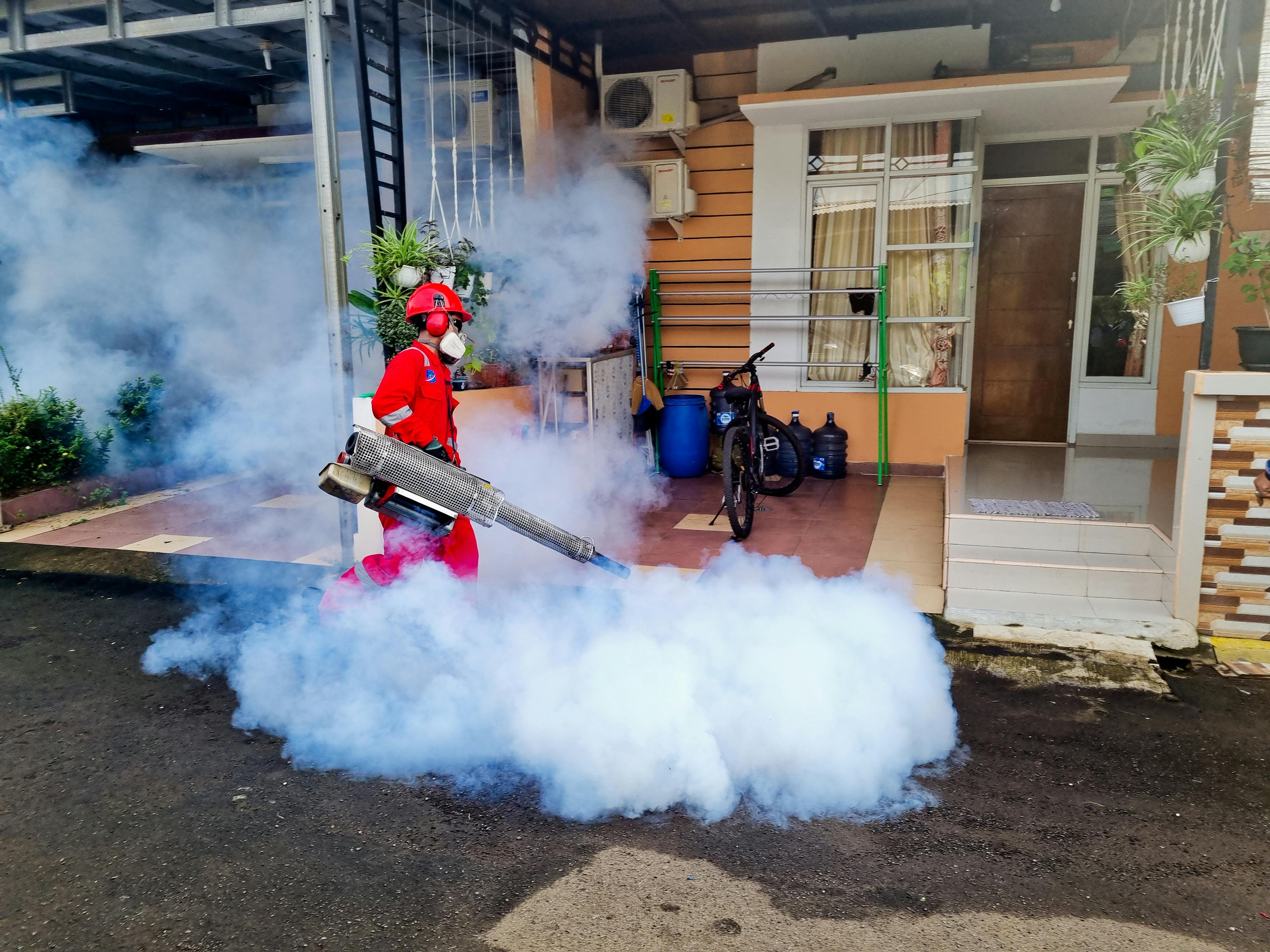
Pest control demand changes with weather, region, housing conditions, and the life cycles of different pests. That creates a strong marketing opportunity, but it also creates a content trap: publishing dozens of nearly identical pages for every pest, month, and city. A better strategy is to build around real differences in service, season, customer problem, and local conditions.
Quick Answer
Pest control companies should build seasonal content only when the search intent and customer need are genuinely different. A strong page explains the pest, when or why the problem becomes more common, what signs homeowners notice, what the service involves, and when to call. Seasonal blogs can support those core service pages, while repetitive city-name swaps should be avoided.
Table of Contents
- Seasonal Demand Gives Pest Control Companies Natural Content Opportunities
- Start With Core Pest Services, Not a Calendar
- A Seasonal Blog Should Answer a Different Question
- Use Seasonal Content to Support the Core Service Page
- Local Conditions Can Make the Content More Useful
- Build Around the Customer's Decision Stage
- Use Photos That Match the Actual Service
- Seasonal Pages Should Lead Somewhere
- Build a Seasonal Content Calendar From Real Customer Questions
Seasonal Demand Gives Pest Control Companies Natural Content Opportunities
Pest control is one of the clearest examples of a business where customer demand changes throughout the year. Ants may become more visible during warmer months. Mosquito demand rises when outdoor activity and breeding conditions increase. Rodent concerns can become more urgent when temperatures change and pests move toward shelter.
That does not mean a company needs a separate page for every month. It means the website should reflect the real problems customers experience at different times of year.
Start With Core Pest Services, Not a Calendar
The foundation should be permanent service pages for the work the company actually performs.
Examples might include:
- Ant control
- Rodent control
- Mosquito control
- Termite inspection or treatment
- Spider control
- Cockroach control
- General recurring pest control
Those pages are the long-term hubs. Seasonal articles then support them with timely questions, homeowner concerns, and local context.
For companies building or reorganizing those service paths, the same principles used in contractor SEO apply: one clear search intent per page, useful information, strong internal links, and no unnecessary duplication.
A Seasonal Blog Should Answer a Different Question
A weak seasonal article simply says, "Summer is here. Call us for pest control."
A useful article answers something more specific, such as:
- Why are ants suddenly appearing in the kitchen?
- When should mosquito service begin before outdoor season?
- Why do rodents move into garages and crawl spaces as temperatures change?
- What should homeowners check before termite swarm season?
- Why do spiders become more noticeable around exterior lighting and entry points?
Those are different customer problems, which gives each article a reason to exist.
Use Seasonal Content to Support the Core Service Page
The blog should not compete with the main service page for the same exact intent.
For example, the mosquito-control service page should explain the service itself. A seasonal article might focus on when homeowners should start planning mosquito treatment before backyard gatherings or outdoor event season.
The article can then link back to the mosquito-control page as the primary service hub.
That creates a clean hub-and-spoke structure instead of two pages fighting to rank for the same phrase.
Local Conditions Can Make the Content More Useful
Pest pressure is not identical everywhere. Climate, rainfall, humidity, vegetation, housing construction, crawl spaces, irrigation, standing water, and seasonal temperature patterns can all affect what homeowners experience.
A national pest-control company may explain those differences by region. A local company can go deeper into the real conditions in its service area.
The important part is that local context should be real. Swapping one city name for another without changing the homeowner problem, service detail, or seasonal conditions adds little value.
Build Around the Customer's Decision Stage
Seasonal content can target different stages of the buying process.
Early awareness
"Why are tiny ants appearing near my sink?"
Problem recognition
"Do I need professional ant control or can I handle this myself?"
Service comparison
"What should an ant-control service include?"
Conversion
"How soon can pest control treat an active infestation?"
A content plan that covers different decision stages is more useful than publishing five versions of the same service page.
Use Photos That Match the Actual Service
Pest-control websites often rely on generic insect graphics, but real service images can build more trust.
Useful photos include technicians inspecting foundations, treating exterior entry points, checking traps, working around landscaping, or preparing equipment for a residential service visit.
That kind of proof helps homeowners understand the service and strengthens the website as a 24/7 sales tool.
A professional contractor website should connect that visual proof with service information, FAQs, reviews, and clear calls to action.
Seasonal Pages Should Lead Somewhere
Every seasonal article should help the homeowner take a useful next step.
That might be:
- Read the related pest-control service page
- Check the service area
- Request an inspection
- Ask about recurring pest-control plans
- Contact the company about an active issue
Without that path, the article may attract attention without helping the business turn that attention into a lead.
Contractors can use the free Contractor Optimize audit to see whether their service pages, local content, and calls to action are working together or sitting as disconnected pieces.
Build a Seasonal Content Calendar From Real Customer Questions
The easiest way to avoid commodity content is to start with questions customers already ask.
Review calls, estimate forms, technician notes, Google Business Profile questions, sales conversations, and common homeowner concerns. Group those questions by pest, season, and service intent.
Then decide whether each topic belongs on a permanent service page, a supporting blog, an FAQ, or a local page.
That approach creates a content system based on real demand rather than a publishing quota.
Local Expertise
Seasonal pest demand varies across the United States, so pest-control companies should adapt content to actual climate, housing, vegetation, and service patterns in the markets they serve instead of relying on generic nationwide statements.
Why It Matters
Contractor Optimize recommends using real customer questions, actual service details, technician experience, service photos, and market-specific conditions to make pest-control content more useful and more credible.
Frequently Asked Questions
Seasonal pest-control marketing works when each page has a clear job. Permanent service pages explain the core offering. Seasonal articles answer timely customer questions. Local pages add legitimate geographic context. When those pieces link together, the website can capture changing demand without becoming a library of repetitive pages.
Find out whether your service pages and seasonal content are working together with a free Contractor Optimize audit.
Get Started