
How Can Ridgefield, WA Landscapers Build Better Recurring Lawn Care Routes?
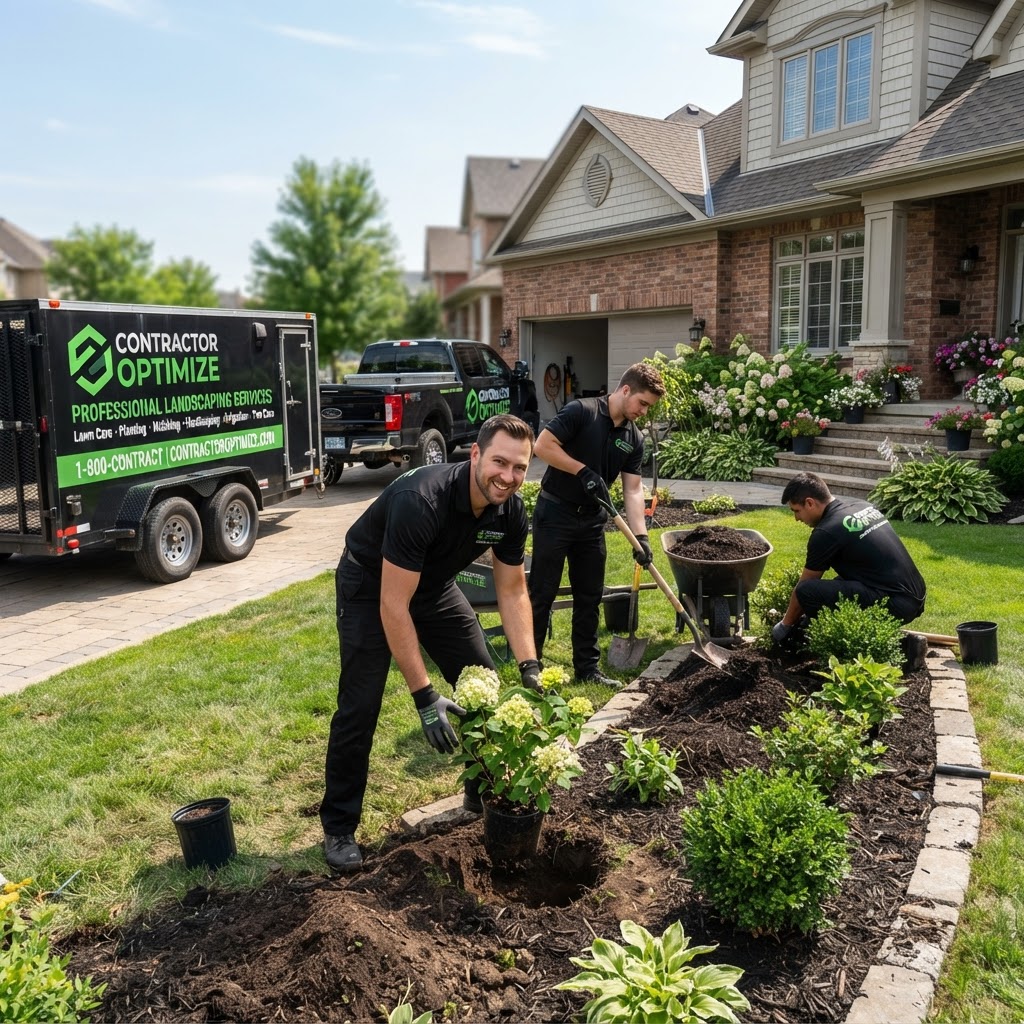
For a small lawn care or landscaping company, more leads are not automatically better. Ten scattered mowing jobs can be less valuable than a compact route of recurring customers in the same part of town. Ridgefield's growth makes local visibility attractive, but the marketing strategy should be built around route density, repeat service and the kinds of landscape work the company actually wants to perform. That requires more than a generic page promising lawn care.
Quick Answer
Ridgefield lawn and landscaping companies can build stronger recurring routes by marketing to a deliberately tight service area, making recurring maintenance easy to understand, creating separate visibility for profitable add-on services, and using the website to qualify property type, location and service frequency before the first call.
Table of Contents
- Route density should influence the marketing plan
- Separate recurring maintenance from project work
- Use Ridgefield growth without writing generic “fast-growing city” copy
- Build add-on services into the customer journey
- Make the estimate request useful for route planning
- Show the work that matches the customers you want
- Keep marketing while the crew is working
- A tighter route can be a better growth strategy
Route density should influence the marketing plan
A small landscaping company has a limited number of crew hours each week. Drive time between properties is time that cannot be billed, which means marketing should help create a service area that makes operational sense.
Instead of treating all of Clark County as equally valuable, a Ridgefield-focused lawn business can clearly explain its preferred service territory and recurring services. That does not mean stuffing “Ridgefield” into every heading. It means making the location, services and customer fit easy to understand.
A homeowner should quickly know whether the company offers weekly or scheduled maintenance, cleanup, pruning, mulch, edging, bed care or other services the business actually wants to sell.
Separate recurring maintenance from project work
“Landscaping” can mean almost anything to a homeowner. One person wants routine mowing. Another wants overgrown shrubs cut back. Someone else needs a cleanup before listing a home or wants beds refreshed with mulch.
If all of those services live in one paragraph, the website makes the customer work too hard.
A better landscaping marketing structure creates clear pathways for the main revenue categories. Recurring lawn and landscape maintenance can have its own explanation. Seasonal cleanup can answer different questions. Higher-value add-ons such as pruning, bed maintenance, mulch or small landscape improvements can be introduced where they naturally fit.
This gives search engines more context and gives customers a faster route to the right service.
Use Ridgefield growth without writing generic “fast-growing city” copy
Local marketing becomes commodity content when every page says the same thing: the city is growing, homeowners care about curb appeal and the company provides quality service.
Useful Ridgefield content should connect to the actual way a landscaping business operates. Newer residential areas may create opportunities for recurring maintenance and landscape establishment. Larger properties can create a different maintenance scope than compact lots. Seasonal Pacific Northwest growth, wet periods and summer dry spells can change what customers ask about throughout the year.
The website does not need to make unsupported claims about a specific neighborhood. It should demonstrate that the company understands the practical landscape-maintenance questions local homeowners face.
For the broader geographic strategy, connect service content to the Ridgefield contractor marketing page rather than creating disconnected city articles.
Build add-on services into the customer journey
Recurring customers are valuable because the relationship creates natural opportunities for legitimate additional work.
A maintenance page can point homeowners toward related services such as seasonal cleanup, pruning, bed edging, mulch refreshes or other work the company provides. These should not be aggressive upsells. They should answer the next question a property owner is likely to have.
For example, a homeowner searching for recurring lawn care may also be wondering who will handle leaf cleanup or keep planting beds from becoming overgrown. A useful website explains how those services fit together.
That is also an internal-linking opportunity. Each supporting article should point back to a core service page, and service pages should help users discover closely related work.
Make the estimate request useful for route planning
A landscaping estimate form can do more than collect a phone number.
Without making the form cumbersome, it can ask for the property location, requested service, desired frequency and a short description of the yard. If photos are supported, they can help the contractor understand the scope before scheduling an onsite visit.
This is especially useful for an owner-operator who may be mowing, trimming or driving when a lead comes in. The website can collect the basics while the contractor is working.
A clear lead-generation path also helps distinguish recurring maintenance inquiries from one-time project requests.
Show the work that matches the customers you want
A gallery should not be a random collection of every project ever completed. If recurring residential maintenance is a priority, show maintained lawns, clean edges, tidy beds and consistent property care. If seasonal cleanup is important, before-and-after images can show the result clearly.
Photos should be real whenever possible and paired with useful context. A short project note can identify the type of service and general service area without exposing a customer's private information.
The same principle applies to reviews. Genuine reviews that naturally mention reliability, communication, recurring care or a particular service help future customers understand the experience.
Keep marketing while the crew is working
Landscaping is exactly the kind of business where the owner cannot spend the day answering every basic question. A strong website should explain services, service areas, recurring options, project fit and the next step while the crew is on a property.
Local SEO, service pages, Google Business Profile activity, reviews and useful content can work together to create more discovery points. AI search adds another reason to keep service information clear and specific because conversational systems need understandable business and service context.
The objective is not traffic for traffic's sake. It is to help the right Ridgefield-area property owners discover the company, understand the offer and request the kind of work the business wants.
A tighter route can be a better growth strategy
For an owner-operated landscaping company, growth does not always mean covering more miles. It can mean serving more good customers within a tighter area, increasing recurring revenue and adding profitable related services to existing relationships.
Marketing should support that operational goal. Define the best services, explain the territory, build local proof, connect related services and let the website collect useful estimate information 24/7.
Local Expertise
Ridgefield and north Clark County are attractive for local service businesses, but a small landscaping company's economics still depend heavily on drive time, recurring schedules and service fit. Marketing should support a practical route rather than simply chasing the widest possible geographic footprint.
Why It Matters
Contractor Optimize provides contractor-focused marketing guidance covering websites, local SEO, AI visibility, content and conversion. Landscaping recommendations here concern marketing structure and customer acquisition, not horticultural, pesticide or licensing advice.
Frequently Asked Questions
The strongest Ridgefield landscaping marketing plan is not simply “get more leads.” It is to attract the right recurring customers in a workable service area, make profitable add-on services visible and let the website answer questions and collect estimates while the crew is working.
Find out how your landscaping business is showing up online and get practical recommendations for building stronger local visibility.
Get Started